Reading order
Dexter Books in Order: All 8 Jeff Lindsay Novels Explained
Eight novels, one reading order, and a Dexter whose life does not follow the television seasons.

Quick answer
Read the eight Dexter novels in publication order
- Darkly Dreaming Dexter (2004)
- Dearly Devoted Dexter (2005)
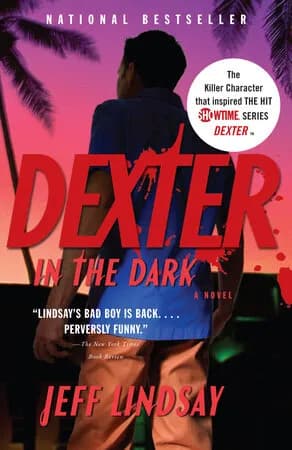
- Dexter in the Dark (2007)
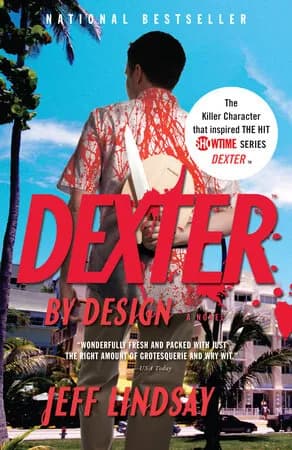
- Dexter by Design (2009)
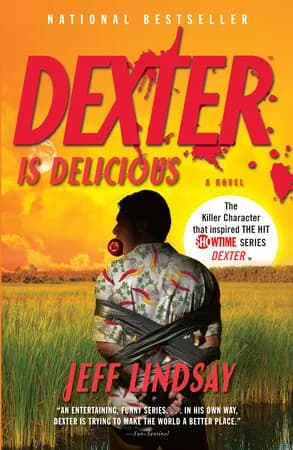
- Dexter Is Delicious (2010)
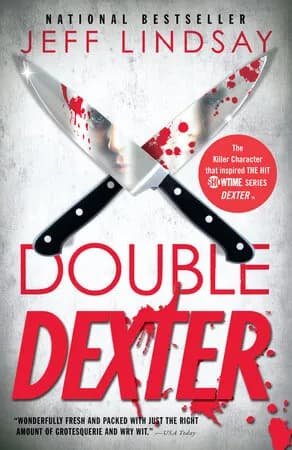
- Double Dexter (2011)
- Dexter's Final Cut (2013)
- Dexter Is Dead (2015)
Start with Darkly Dreaming Dexter and finish with Dexter Is Dead. Publication order keeps the changing family relationships and consequences of earlier cases intact. The eight books are not paired with the eight seasons of the original television series.
If you know Dexter from television, his job and family will look familiar. That familiarity helps at first. It can also be misleading: characters do not all make the same choices or survive the same events.
The descriptions below give each novel’s opening situation without revealing the series’ major endings. Later books naturally introduce changes in Dexter’s domestic life.
The complete novel sequence
The eight books, explained
All eight novels are by Jeff Lindsay. The early cases introduce different threats, while the final two books form a closely connected conclusion.
1
Darkly Dreaming Dexter
Jeff Lindsay · 2004
Dexter Morgan works with blood all day and dislikes the mess of it. At the Miami police department, he is a useful forensic analyst; away from work, he follows Harry’s rules for killing people who have escaped punishment. His relationship with Rita and his connection to his sister Deborah help him appear ordinary. Then another killer starts leaving bodies that feel disturbingly close to Dexter’s own work.
His first-person account keeps moving between the case and the effort of passing for human. He can make a terrible situation sound like a minor inconvenience, then become genuinely unsettled when the other killer seems to understand him. The first television season uses much of this setup, but the novel’s ending establishes a different future for several characters.

2
Dearly Devoted Dexter
Jeff Lindsay · 2005
Sergeant Doakes watches Dexter so closely that even arranging a private hunt becomes difficult. Dexter spends more time with Rita and her children to look harmless, while a new case brings the police up against a killer who keeps his victims alive after horrific mutilation. Deborah’s involvement with the investigation makes staying safely on the sidelines impossible.
The new antagonist is Dr. Danco, and the case pulls in people connected to Doakes’s past. Compared with the first novel’s unnervingly personal murder trail, this is a story about surveillance, concealment and a much more prolonged kind of cruelty. Doakes’s role also makes clear why this is not a prose version of television season 2.
3
Dexter in the Dark
Jeff Lindsay · 2007
A ritualistic crime scene on a university campus frightens away the Dark Passenger that normally accompanies Dexter. Without that inner presence, he feels exposed and uncertain about instincts he has always relied on. Meanwhile, wedding preparations and Rita’s children keep demanding attention that he would usually find easier to fake.
This is the sharpest change of approach in the sequence. The Passenger becomes part of a supernatural story, rather than remaining only Dexter’s name for his urges. The book also develops his relationship with Astor and Cody. That family thread carries forward even if the supernatural direction is not what a television viewer expects from Dexter.
4
Dexter by Design
Jeff Lindsay · 2009
Dexter returns from a honeymoon in Paris to married life in Miami and a corpse arranged like a sunbather on the beach. The staged body turns a public place into a grotesque display, and another killer’s interest in presentation begins to draw him in. Domestic routines now sit beside his familiar need for secrecy.
After the third novel’s supernatural crisis, the emphasis returns to a murder investigation and bodies used as messages. Marriage is part of Dexter’s daily situation now, rather than a future event he can keep postponing. The unsettling joke is how easily he puts the obligations of a husband and a killer into the same mental schedule.
5
Dexter Is Delicious
Jeff Lindsay · 2010
The arrival of his daughter, Lily Anne, gives Dexter feelings that do not fit comfortably with his account of himself. He starts wondering whether he can leave the Dark Passenger behind. A missing teenage girl, a group fascinated by vampires and a case involving actual cannibalism make this an especially bad time for him to lose his usual detachment.
Fatherhood changes what Dexter has at stake at home. The investigation moves from theatrical ideas about drinking blood to people who really eat human flesh. It is a different family situation from the television story, where his child with Rita is Harrison; the familiar parental role does not produce the same plot.
6
Double Dexter
Jeff Lindsay · 2011
Someone sees Dexter doing something he cannot explain away. Soon he is facing an adversary who knows his methods and can turn them against him, while the police investigate brutal attacks on their own officers. Dexter is used to deciding what other people know. Here, he cannot get that control back simply by acting ordinary.
The witness and copycat threat makes concealment the central problem. The danger comes from being observed and imitated, rather than being drawn into another killer’s performance or testing whether fatherhood has changed him. His certainty that he is the most competent person involved becomes increasingly difficult to maintain.

7
Dexter's Final Cut
Jeff Lindsay · 2013
Actors visit the Miami police department to research their roles, bringing a different kind of scrutiny to Dexter’s workplace. Robert Chase takes an interest in how Dexter thinks and behaves. Attention that would normally be dangerous begins to flatter him, and proximity to the production complicates his already divided life.
The story puts acting beside Dexter’s own performance of normality. It also moves the series toward its conclusion: choices here have consequences that the next novel takes up directly. The ending is a major turning point, so a description of book eight can easily give too much away about this one.
8
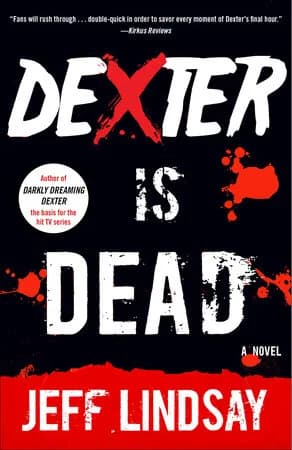
Dexter Is Dead
Jeff Lindsay · 2015
The final novel begins with Dexter facing the consequences of Dexter’s Final Cut. His ordinary life is no longer something he can keep running with a convincing smile and the right excuse. A legal crisis, damaged family relationships and dangerous help from an ally leave him with very little control over what happens next.
This follows the seventh novel closely. The central pressure is the collapse of arrangements built across the series, rather than a new case that can be detached from what came before. Read these last two consecutively if possible. The destination of the book sequence is different from the television story that leads into New Blood and Resurrection.
Reading the books after watching Dexter
The pleasure is partly in the voice. Lindsay’s Dexter can spend as much energy explaining his dislike of small talk as he spends considering a killing. Ordinary politeness and appalling violence share space in his thoughts, which makes his account funny and uncomfortable at once.
The other reason is surprise. The first novel and first season share a case, but their endings leave different people in different positions. Dearly Devoted Dexter then develops its own investigation. Television knowledge will not reliably tell you what happens next.
Where Resurrection fits
Resurrection follows the television version of Dexter after New Blood. It does not continue the ending of Dexter Is Dead, and there is no ninth Resurrection novel in this reading order. The books are another telling of Dexter’s life, not preparation required for the new season.
Quick answers
Questions about the reading order
How many Dexter books are there?
There are eight novels in Jeff Lindsay’s main Dexter sequence, published from 2004 to 2015. Darkly Dreaming Dexter is first; Dexter Is Dead is eighth.
Should I read the Dexter books in order?
Yes. Cases change, but relationships, family circumstances and the consequences of earlier events continue. The seventh and eighth novels are especially closely connected.
Can I skip Dexter in the Dark?
Its supernatural approach differs from the surrounding crime stories, but it also develops Dexter’s relationship with Rita’s children. Skipping it loses part of that family history. Reading in publication order preserves both threads.
Does season 2 adapt Dearly Devoted Dexter?
No. The first season borrows substantially from Darkly Dreaming Dexter, but the later seasons follow their own stories. Book numbers and television season numbers are not an adaptation schedule.
Sources
Sources for this guide
Official publisher information for the eight novels, with original publication context from Kirkus and the Jeff Lindsay interview below.
- Penguin Random House: official numbered Dexter series
- Penguin Random House: Darkly Dreaming Dexter
- Penguin Random House: Dearly Devoted Dexter
- Penguin Random House: Dexter in the Dark
- Penguin Random House: Dexter by Design
- Penguin Random House: Dexter Is Delicious
- Penguin Random House: Double Dexter
- Penguin Random House: Dexter's Final Cut
- Penguin Random House: Dexter Is Dead
- Kirkus: original 2007 publication and premise of Dexter in the Dark
- International Thriller Writers: interview with Jeff Lindsay
Keep reading