Horror manga
Best Junji Ito Manga to Start With: A Beginner's Reading Guide
One cursed town, one girl who returns, and four short-story collections.
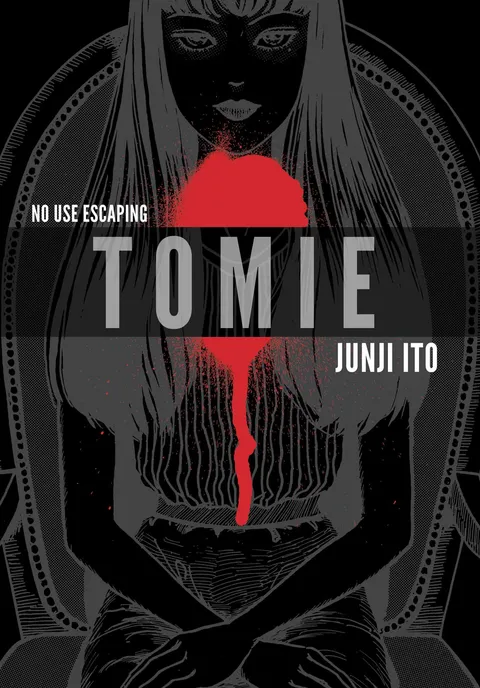
Where to start
Start with Uzumaki or Shiver
I’d start with Uzumaki for one story that builds across a whole book. Shiver is easy to read a story at a time. Tomie sits between them, with separate encounters tied together by a girl who keeps coming back.
Manga by Junji Ito
Seven ways into Ito’s horror
1
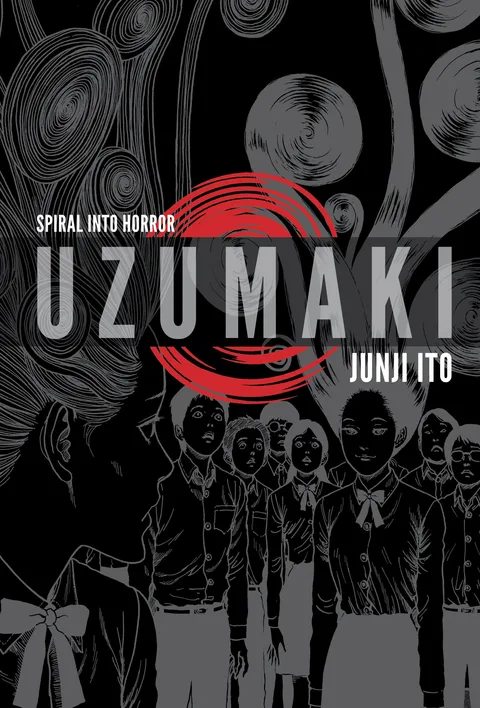
Uzumaki
One town under a spiral curse
Kirie Goshima lives in Kurouzu-cho, where her boyfriend Shuichi begins to see something wrong with spirals. A curl of smoke or the whorl of a shell starts to look ominous as the shape spreads through the town. Each episode finds a new way to use it, including some graphic bodily transformations.
See more
Ito gets a lot out of letting a spiral sit in a panel before making it the focus of a scene. By the time the town recognizes the pattern, you’ve already learned to look for it. The chapters build toward a single fate for the town, which gives the dread more time to accumulate than in Shiver.
2
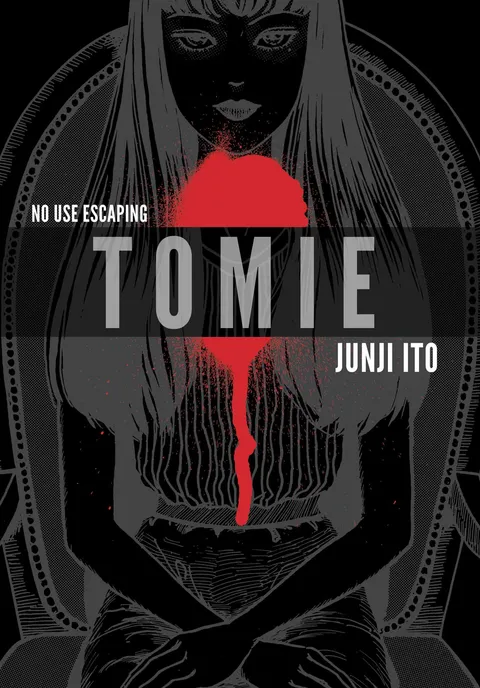
Tomie
Connected stories about a girl who returns
Tomie Kawakami keeps reappearing after people try to kill her. The first story begins after a schoolgirl’s murder, and the chapters return to jealousy, obsession, and graphic dismemberment. Ito keeps moving from one person drawn to Tomie to the next, which makes the repetition part of the horror.
See more
Tomie gives the stories a through line, even when the setting changes completely. There’s more room between encounters than in Uzumaki. The unsettling part is seeing someone fall into the same obsession when you already have an idea of where it leads.
3
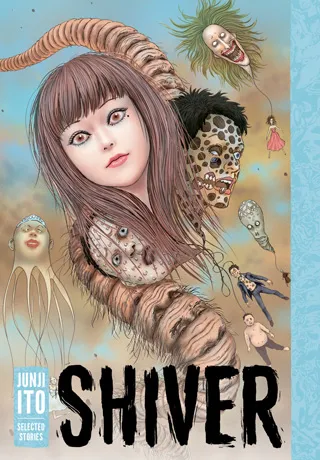
Shiver
Selected short stories
In “The Long Dream,” a patient experiences more and more time in his sleep while the hospital clock ticks on as usual. In “Hanging Blimp,” floating doubles with human faces turn the sky into something the characters have to watch. The latter begins with a suicide, and its imagery keeps returning to hanging.
See more
These stories show how much Ito can change the mood between chapters. A record that shouldn’t sound the way it does makes “Used Record” feel intimate, while “Hanging Blimp” has a whole street to frighten. The stories are separate, so you can set the book down between them without leaving a plot unfinished.
4
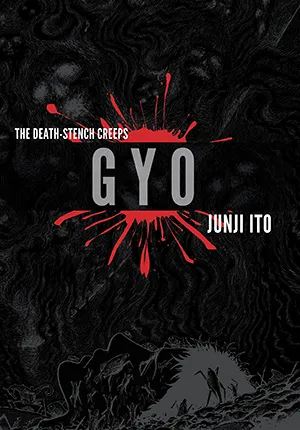
Gyo
A body-horror outbreak
On a trip to Okinawa, Tadashi and Kaori encounter a fish that walks on spindly legs and carries a terrible smell. Ito keeps enlarging the scale of the outbreak until a single impossible animal feels like the least of their problems. The shifting line between flesh and machinery makes this an especially graphic book.
See more
The smell feels almost visible because the characters recoil before you can see what’s coming. Gyo stands on its own. It also makes a good follow-up to Uzumaki if you’re interested in how Ito builds from an odd sight into a disaster.
5
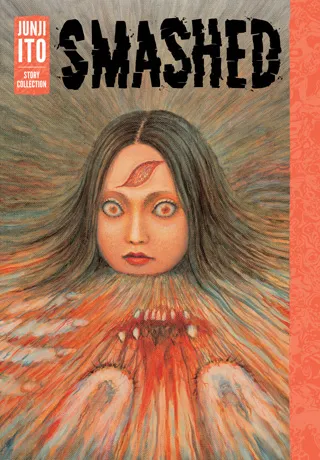
Smashed
Appetite, compulsion, and grotesque comedy
Once people taste the secret nectar in the title story, fear of being caught eating scarcely seems like a deterrent. Ito takes that bewildering rule seriously enough that the consequences can be funny and appalling in the same scene.
See more
Some setups have the shape of a cruel joke. “Earthbound” takes more time. People suddenly find themselves rooted to particular spots, and part of the unease comes from wondering what happened at each one.
6
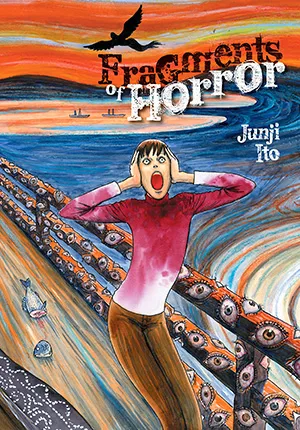
Fragments of Horror
Hauntings, grief, and strange intimacy
An old wooden house turns against the people living in it. In another story, a woman takes an unnerving interest in what happens in a dissection class. The collection finds horror in private spaces, where a house, a family, or a body can be familiar to someone and still conceal something they can’t explain.
See more
“Gentle Goodbye” is quieter company than the stories with anatomical imagery. It stays with the prospect of losing someone and what it would mean to put that moment off. That change in pace is a good reason to read the collection in full.
7
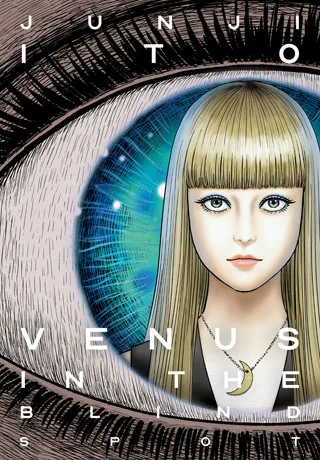
Venus in the Blind Spot
Short fiction and literary adaptations
Ito adapts Edogawa Rampo’s story about a chair with a human presence hidden inside it. “The Enigma of Amigara Fault” gets its unease from hollows in rock that look uncannily suited to specific people. A room and a mountainside give him two very different ways to make a body feel trapped.
See more
The book puts the adaptations alongside short works that show how quickly Ito can establish a disturbing idea. It shares “The Enigma of Amigara Fault” and “The Sad Tale of the Principal Post” with the English deluxe edition of Gyo. There’s still plenty of material here beyond those two stories.
Ito’s fine lines can make a classroom or a suburban street feel familiar. They’re just as precise when he draws something that couldn’t exist, which is part of what makes it hard to look away. That precision can unsettle you in a few pages or work on you across a whole book.
Side by side
How the seven manga differ
Uzumaki and Gyo carry one disaster across the book. Tomie revisits a character across different encounters. The other four let you change settings every time you finish a story.
| Book | What drives it | Structure |
|---|---|---|
| Uzumaki | A spiral curse builds town-wide dread | One story in episodes |
| Tomie | Obsession keeps returning with Tomie | Linked stories |
| Shiver | Dreams, records, and a sky full of faces | Short-story collection |
| Gyo | Walking fish and graphic transformations | One main story plus bonus shorts |
| Smashed | Appetite and bizarre rules | Short-story collection |
| Fragments of Horror | Intimate hauntings, anatomy, and loss | Short-story collection |
| Venus in the Blind Spot | Claustrophobia and literary adaptations | Short-story collection |
Where else to look for horror manga
If what holds you in Uzumaki is the gradual strangeness of a familiar place, look for horror that gives the setting time to change. The December manga list is useful for a different kind of reading, especially if you’re following an ongoing series and want to see where a new volume fits.
December manga and where their volumes fit · December horror releases · More stories about places that turn strange
Quick answers
Reading Junji Ito for the first time
Do you need to read Junji Ito’s manga in order?
No. Uzumaki, Tomie, and Gyo each have their own cast and setting. The collections can also be read independently. I’d read the chapters of Uzumaki in order, since the town changes from one chapter to the next.
Should I read Uzumaki or Tomie first?
I prefer Uzumaki as a first book because you can see one image take more and more control of a story. Tomie is the better place to start if you’re drawn to obsession and want to see how a recurring character changes the lives of a new cast in each encounter.
Sources for this guide
Sources & references
VIZ’s title pages and previews were used to check premises, collection contents and story overlap.