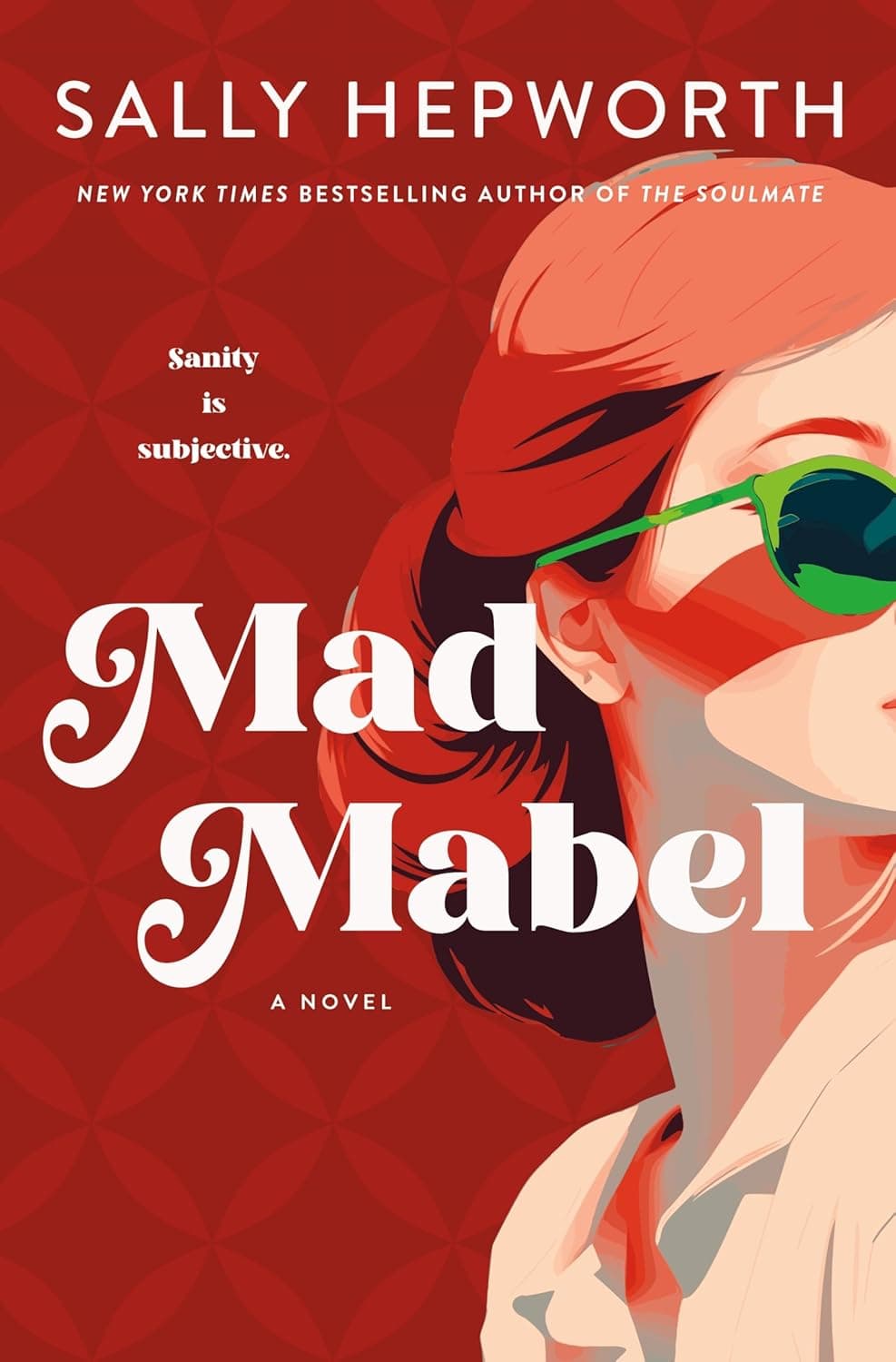
Should you read Mad Mabel?
What works
Eighty-one-year-old Mabel's cutting voice resists pity, while the 1954 conviction and a new Melbourne death let memory, media, family, and public myth contradict one another.
What may not work for you
The old case and present investigation do not sustain equal tension, and several withheld facts are easier to anticipate than Mabel's narration suggests.
What may test your patience
The story pauses its present-day suspicion to reconstruct Mabel's youth, slowing the mystery before the two accounts begin correcting each other.
Does the ending reward the effort?
Mostly. The truth provides emotional justice and a satisfying change in perspective, even if the mechanics are neater than Mabel's life.
Reading Mad Mabel closely
At eighty-one, Elsie Mabel Fitzpatrick has perfected the art of discouraging visitors with tea, impatience, and a cutting answer. Her Melbourne neighbors know the elderly woman in front of them. The public remembers Mabel Waller, the teenage girl who became notorious after a murder conviction in the 1950s. When a new death occurs nearby, that old identity returns before anyone has established what happened in the present.
The most interesting mystery is therefore not simply whether Mabel is dangerous. It is how a story hardens around a girl, survives for decades, and becomes available whenever an older woman proves inconvenient. Police, relatives, neighbors, and reporters approach Mabel with different versions of the same assumption: her manner is evidence. Hepworth gives Mabel enough abrasiveness to keep this argument honest. Being underestimated does not make her secretly gentle or automatically right.
The novel moves between the present investigation and Mabel's account of her youth. Those timelines do not carry equal suspense. The contemporary death creates urgency, while the older case has the greater emotional weight, and the switches can stall one just as it gathers momentum. Some withheld facts are also easier to anticipate than Mabel seems to expect. The pleasure lies less in being shocked than in discovering why her preferred version of events has endured.
Hepworth's sentences are brisk, especially when Mabel observes the social rituals around age. A polite offer, a concerned question, or a neighborly visit can become an attempt to remove her authority, and her dry replies expose the pressure without lengthy explanation. The darker material from her adolescence is handled more soberly. That contrast keeps the humor from trivializing the case and prevents the mystery from becoming a sequence of cute elderly-detective jokes.
The resolution is satisfying because it changes the moral emphasis of details already on the page. Its mechanics are tidier than a life shaped by scandal would be, but the emotional justice feels earned. Readers looking for violent set pieces or relentless twists may find the pace restrained. Those interested in disputed memory, public reputation, and a protagonist who refuses to become agreeable for the reader will find a sharper and stranger book.
Three useful comparisons
The Impossible Fortune
The Impossible Fortune is warmer and more ensemble-driven; Mad Mabel gives one difficult older woman control of a darker story about judgment and guilt.
Best for: Established Thursday Murder Club readers who want a warm ensemble mystery with wit, mortality, friendship, and danger kept below hard-boiled intensity.
Never Lie
Never Lie is faster, more claustrophobic, and built around shock reveals, while Hepworth spends more time on voice, age, and public reputation.
Best for: Try it for a locked house in a snowstorm, unreliable newlyweds, therapy secrets, and a large final reversal.
The Housemaid Is Watching
The Housemaid Is Watching emphasizes suburban threat and short cliffhangers; Mad Mabel uses neighborhood suspicion to reopen a lifetime of contested history.
Best for: Readers who completed the first two Housemaid books and want a suburban family-focused continuation.