Nonfiction · December 2026
7 New Nonfiction Books Coming in December 2026
Two very different accounts of Antarctica sit beside an unexplained disappearance, a wartime offensive and women making art through the New Deal.
Stephanie Krzywonos went to Antarctica as a worker and stayed through six summers and a winter. Kim Stanley Robinson approaches the same continent through his own visits and an earlier expedition’s account. Sharing a place does not make these the same sort of book.
The history titles are just as varied: a reconstruction of Agatha Christie’s missing days, an argument about Elizabeth Barton and Anne Boleyn, the Cromwell family across generations, the Battle of the Bulge and women working through New Deal arts programs. The dates below are scheduled US publications for December.
At a glance
December’s nonfiction publication dates
Countdown Battle of the Bulge, Eleven Days, Notorious, The Blue Hours and The Best Journey in the World are scheduled for December 1. The House of Cromwell and Bohemians on the Breadline follow on December 8. The dates refer to US publication.

01 · Second World War military history
Countdown Battle of the Bulge
By Chris Wallace and Mitch Weiss
· US · Dutton
Chris Wallace, writing with Mitch Weiss, follows the German offensive in the Ardennes in the winter of 1944. Allied troops expecting to prepare for a final advance into Germany instead face a major counterattack in snow and bitter cold.
The account moves between senior commanders and American soldiers on the ground, drawing on research and firsthand recollections. That shift in scale puts decisions made at headquarters beside the people trying to carry them out.
A standalone history. The earlier Countdown books on 1945 and 1960 cover different events and are not required.
02 · Agatha Christie and a biographical mystery
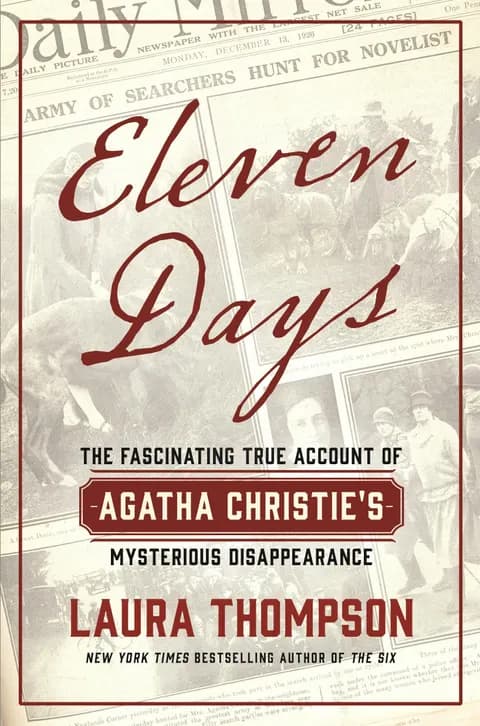
Eleven Days
By Laura Thompson
· US · St. Martin's Press
Agatha Christie disappeared in December 1926 and was found alive eleven days later. The event became a public spectacle, but she said very little about it afterward. Laura Thompson reconstructs the journey between Christie’s departure from home, her abandoned car and the hotel where she stayed.
Thompson draws on conversations with people close to Christie, including her daughter Rosalind, while considering the competing explanations and the circumstances of her first marriage. Christie’s own silence is part of what makes the reconstruction difficult. Thompson weighs what other people remembered alongside the questions the author chose not to answer.
This can be read without Thompson’s earlier Agatha Christie biography or any particular Christie novel.
03 · Tudor religion and political power
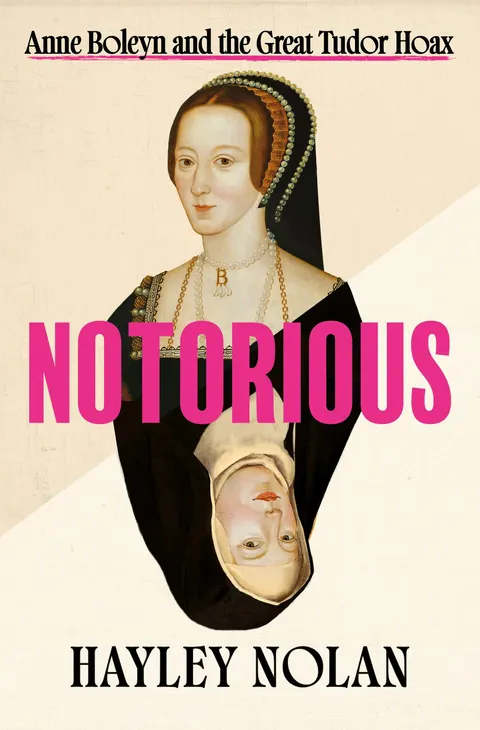
Notorious: Anne Boleyn and the Great Tudor Hoax
By Hayley Nolan
· US · St. Martin's Press
Elizabeth Barton was a household servant who became famous for apparent religious prophecies. Her opposition to Henry VIII’s plans to marry Anne Boleyn gave those claims political force. Hayley Nolan places Barton and Boleyn at the center of the struggle over the king’s marriage and the authority of the Church.
Nolan examines whether Barton was directing a deception or being used by more powerful religious figures. Her account treats the women as active participants in a contest involving the king, the pope and Henry’s advisers. The interpretation of a deliberate hoax is Nolan’s argument; the claimed prophecies are not presented as supernatural facts.
A standalone history. It is a different book from Nolan’s earlier Anne Boleyn: 500 Years of Lies.
04 · A working life in Antarctica
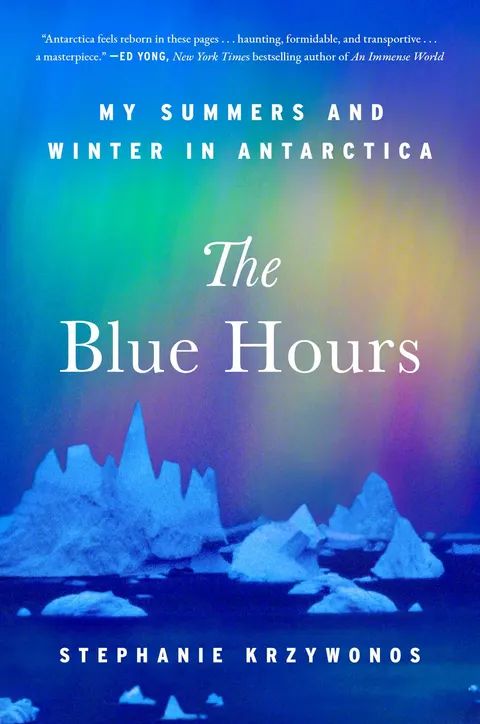
The Blue Hours
By Stephanie Krzywonos
· US · Washington Square Press
After the death of her best friend, Stephanie Krzywonos leaves her life behind to work in Antarctica. She spends six summers and one winter there, living with the weather, isolation and ordinary labor that come with staying in a place many people know only through exploration stories.
Her memoir also looks at the histories those famous stories tend to leave out, including women, queer explorers and people of color. Personal grief sits beside questions about who is allowed to feel they belong on the continent, and what it means to seek a future in a place already showing the effects of a warming world.
An independent memoir, with no earlier polar history required.

05 · Antarctic travel, memoir and expedition history
The Best Journey in the World
By Kim Stanley Robinson
· US · Little, Brown and Company
Kim Stanley Robinson returns to the Antarctic journey that helped shape his own imagination. His account looks back to Scott’s expedition and the winter trip to Cape Crozier recorded by Apsley Cherry-Garrard in The Worst Journey in the World, alongside Robinson’s own experiences on the ice.
Memoir, photographs and expedition history share the book. Robinson first visited Antarctica in 1995 while researching his fiction, but this is nonfiction about the place itself and the people who have traveled through it. Beside The Blue Hours, it offers another route into the continent, through a traveler’s encounters and his long relationship with an earlier book.
The Worst Journey in the World is an important reference, not required homework. Robinson’s Antarctica and Mars novels are separate works of fiction.
06 · A family history of political upheaval
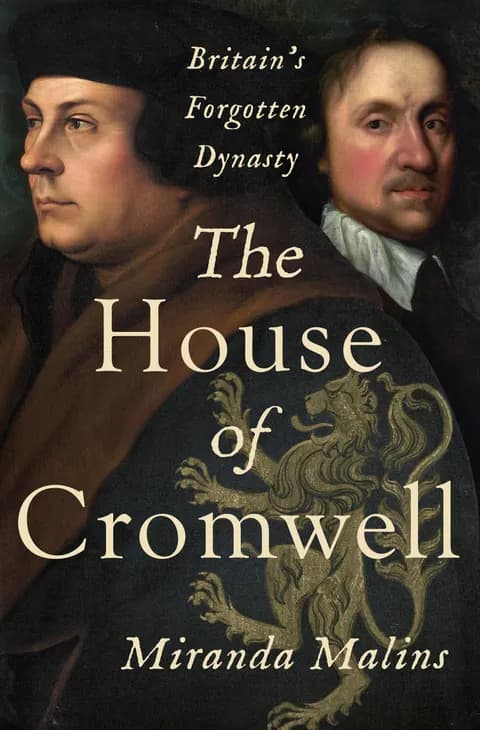
The House of Cromwell
By Miranda Malins
· US · St. Martin's Press
Thomas and Oliver Cromwell are usually encountered in different chapters of British history: Henry VIII’s court for one, the Civil War and its aftermath for the other. Miranda Malins follows the wider family linking them, from the later Middle Ages into the early eighteenth century.
The women of the family matter alongside its most famous men, as do the marriages, private loyalties and struggles over succession that shaped its influence. Malins’s subject is a dynasty trying to hold and pass on power through enormous political change. This is nonfiction, separate from the historical novels she has written about Cromwell women.
A standalone family history, not a sequel to The Puritan Princess or The Rebel Daughter.
07 · Women artists and the New Deal
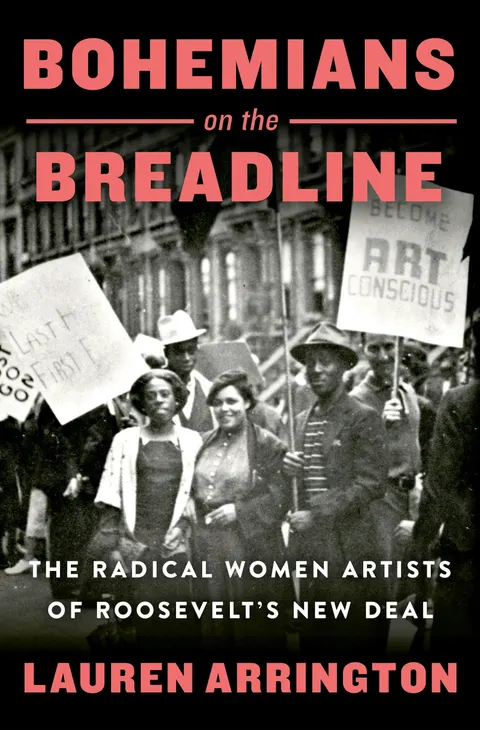
Bohemians on the Breadline
By Lauren Arrington
· US · St. Martin's Press
During the Depression, New Deal arts programs gave work to artists including Alice Neel, Augusta Savage and Pablita Velarde. Lauren Arrington follows women making paintings, sculpture and public art through those programs, while dealing with the restrictions placed on the work they were paid to produce.
The book connects their art to activism, family life and community teaching. It also asks what happened when the funding ended and much of the work was destroyed, forgotten or absorbed into ordinary public spaces. Housing projects, parks and municipal buildings become places to look for the traces of these artists’ lives.
An independent history of art and politics. No prior Arrington book is needed.
Where these accounts put their attention
The Blue Hours stays with the work and grief of living in Antarctica; The Best Journey in the World combines visits with expedition history. Eleven Days reconstructs one person’s absence. Notorious and The House of Cromwell follow power through people around the crown. Countdown reconstructs a military campaign, while Bohemians on the Breadline follows women employed by government arts programs.
Nonfiction covered on Book Review GuideMore history booksAll new and upcoming selections