What to read next
9 Books Like Dungeon Crawler Carl
I loved watching Carl think his way out of a fight while Princess Donut acted as if the cameras had been put there especially for her. The game rules gave Carl something to work with, and the partnership gave me a reason to care whether his plans worked. These nine books pick up different parts of that experience, from building skills under pressure to finding humor in a world that treats people as disposable.
Read my review of Dungeon Crawler Carl by Matt Dinniman.
Find your next Carl and Donut novel in the series reading order
The full shortlist
Why each book belongs here
Unsouled and The Primal Hunter put getting stronger at the center of the story. The Wandering Inn and Beware of Chicken spend more time on the relationships that grow around unusual roles. Red Rising takes the deadly contest and class politics into science fiction.
Unsouled
- Similar because
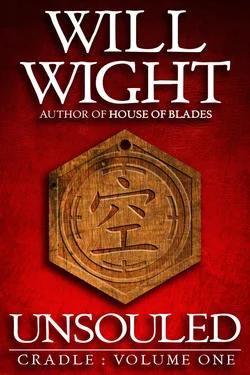
- Wei Shi Lindon grows up in a valley where mastery of the sacred arts determines what people think he’s worth. Since he’s barred from training in them, he has to look for openings others overlook. That ingenuity is the closest parallel to Carl making something useful out of the little the dungeon gives him.
- Different because
- Cradle is cultivation fantasy. Lindon advances by learning to use spiritual power, and the challenges grow as he sees more of the world beyond the valley. The first book spends time on clan hierarchy and martial training where Carl has a televised countdown and an AI announcing the rules.
He Who Fights with Monsters
- Similar because
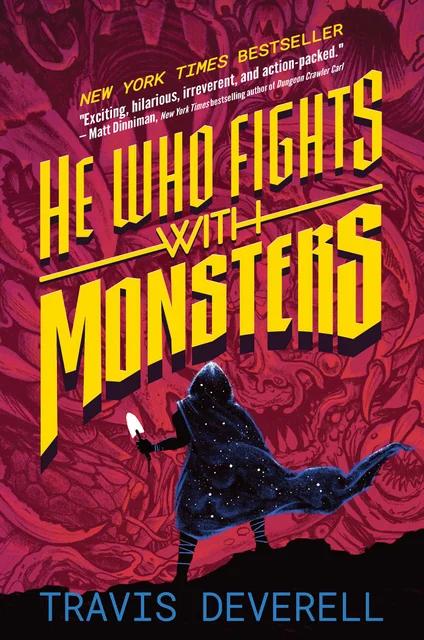
- Jason Asano wakes up in a world where monsters are real and magical essences shape the abilities he can develop. Like Carl, he has to work out what unfamiliar powers can do under pressure. Jason’s habit of talking his way through situations that ought to terrify him gives the danger its own comic rhythm.
- Different because
- Shirtaloon spends more time on banter, magical training, and the way powers fit together. Much of the comedy comes from what Jason says to other people. In Carl’s dungeon, the commentary and the rules are themselves part of the joke.
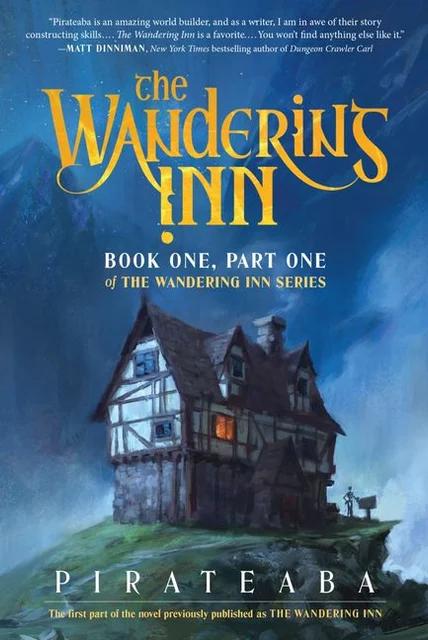
The Wandering Inn
- Similar because
- In Book One, Part One, Erin Solstice takes over an abandoned inn after landing in a fantasy world where people earn classes, levels, and skills. Running it brings her into contact with creatures she might otherwise have been taught to fear. As with Carl and Donut, the relationships make it matter when an odd, funny situation turns dangerous.
- Different because
- pirateaba takes the long way through this world. An evening at the inn or a conversation with a guest can get as much room as an encounter with a monster. The story gradually broadens beyond Erin, and the everyday stretches give its moments of grief and violence more weight.
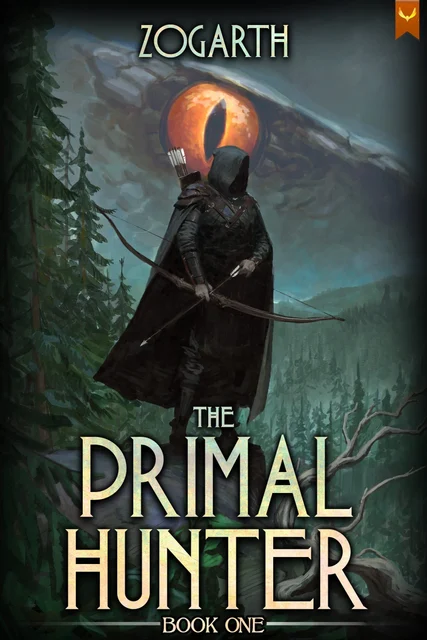
The Primal Hunter
- Similar because
- Office worker Jake Thayne is dropped into a tutorial where learning to fight is a matter of survival. He takes to the bow and starts to see what his class and skills can do. The pleasure is watching a tactical choice pay off in an encounter that would have killed him earlier.
- Different because
- Zogarth keeps the focus on Jake’s growth as a hunter. Carl’s power matters partly because of what he can do with Donut and how their antics play to the cameras. Jake’s fights are about mastering his skills and seeing how far they can take him.
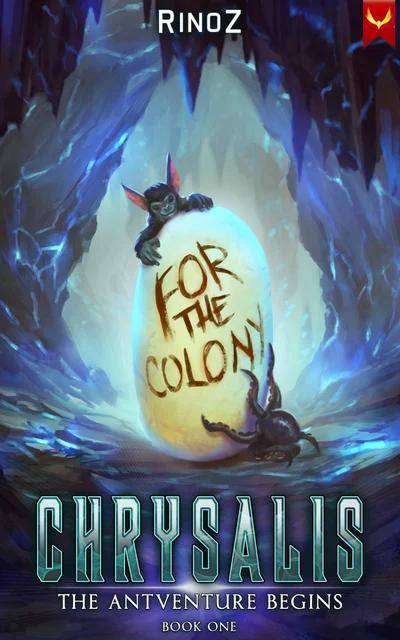
The Antventure Begins
- Similar because
- Anthony wakes up as an ant in a dungeon and discovers that survival means learning what his new body can do and how to improve it. The gap between his very human narration and the tiny creature doing the fighting brings some of the same absurdity as a show cat learning to use dungeon powers.
- Different because
- This is the first Chrysalis novel. The system tracks a monster’s mutations and evolution, so an upgrade can change Anthony’s body and how he gets around. The ant’s perspective makes even a short trip through the dungeon a different kind of survival problem from Carl’s.
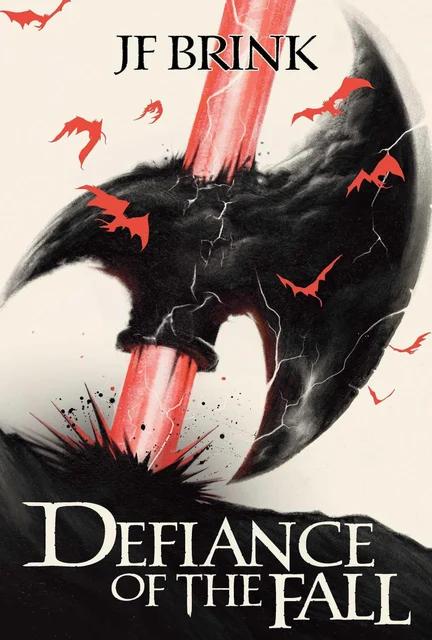
Defiance of the Fall
- Similar because
- Zac is alone in the woods with a hatchet when a System folds Earth into a larger universe. Finding his family means first surviving creatures and people with a head start on him. The scale grows from immediate survival to a much wider struggle, much as Carl’s fight opens onto the world beyond the dungeon.
- Different because
- The opening spends long stretches on Zac’s fights and the work of getting stronger. Classes and skills sit alongside cultivation, and the tone is more earnest. The rhythm comes from working through the next threat, with fewer comic interruptions than Dinniman’s show provides.
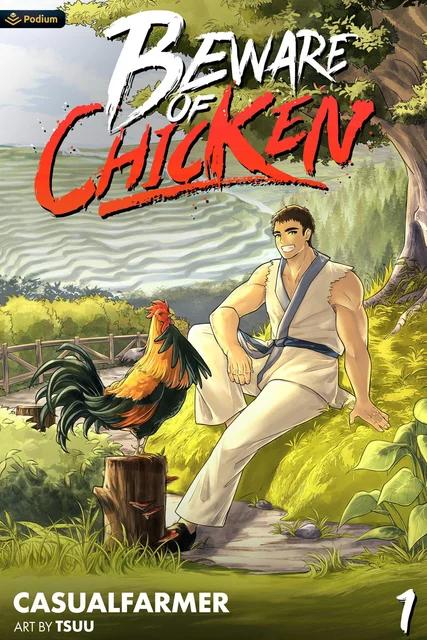
Beware of Chicken
- Similar because
- The man who wakes up in Jin Rou’s body takes one look at the life of a martial cultivator and heads off to farm. A rooster on the farm takes the pursuit of strength rather more seriously. The joke comes from upending a world’s priorities, and, as with Donut, the animal’s priorities get a life of their own.
- Different because
- This is largely slice of life. Farm work, neighbors, and the relationships Jin builds set the pace. The cultivation world supplies danger, but the story can spend a chapter on the life Jin is making for himself without a clock counting down to the next floor.
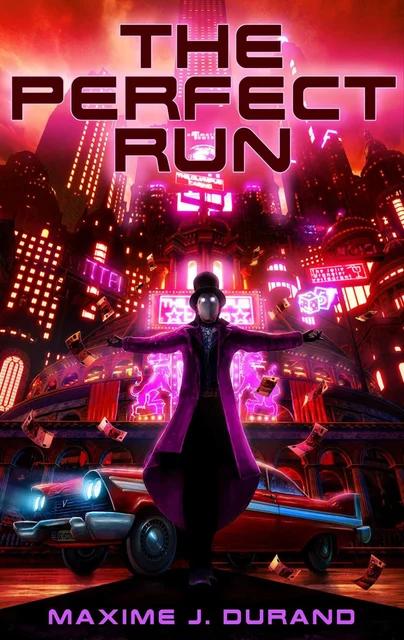
The Perfect Run
- Similar because
- Ryan ‘Quicksave’ Romano can set a point in time and return to it when he dies. In New Rome he tries different ways through a fight among corporations, superheroes, and criminals. Watching him work out what he can change on the next attempt has the appeal of Carl spotting a use for a rule the designers overlooked.
- Different because
- This is a superhero time-loop novel outside conventional LitRPG. Powers come from potions, and Ryan’s advantage comes from what he remembers between attempts. He can turn a disastrous encounter into a joke on his next pass, but knowing more about the people caught up in it makes their choices harder to shrug off.
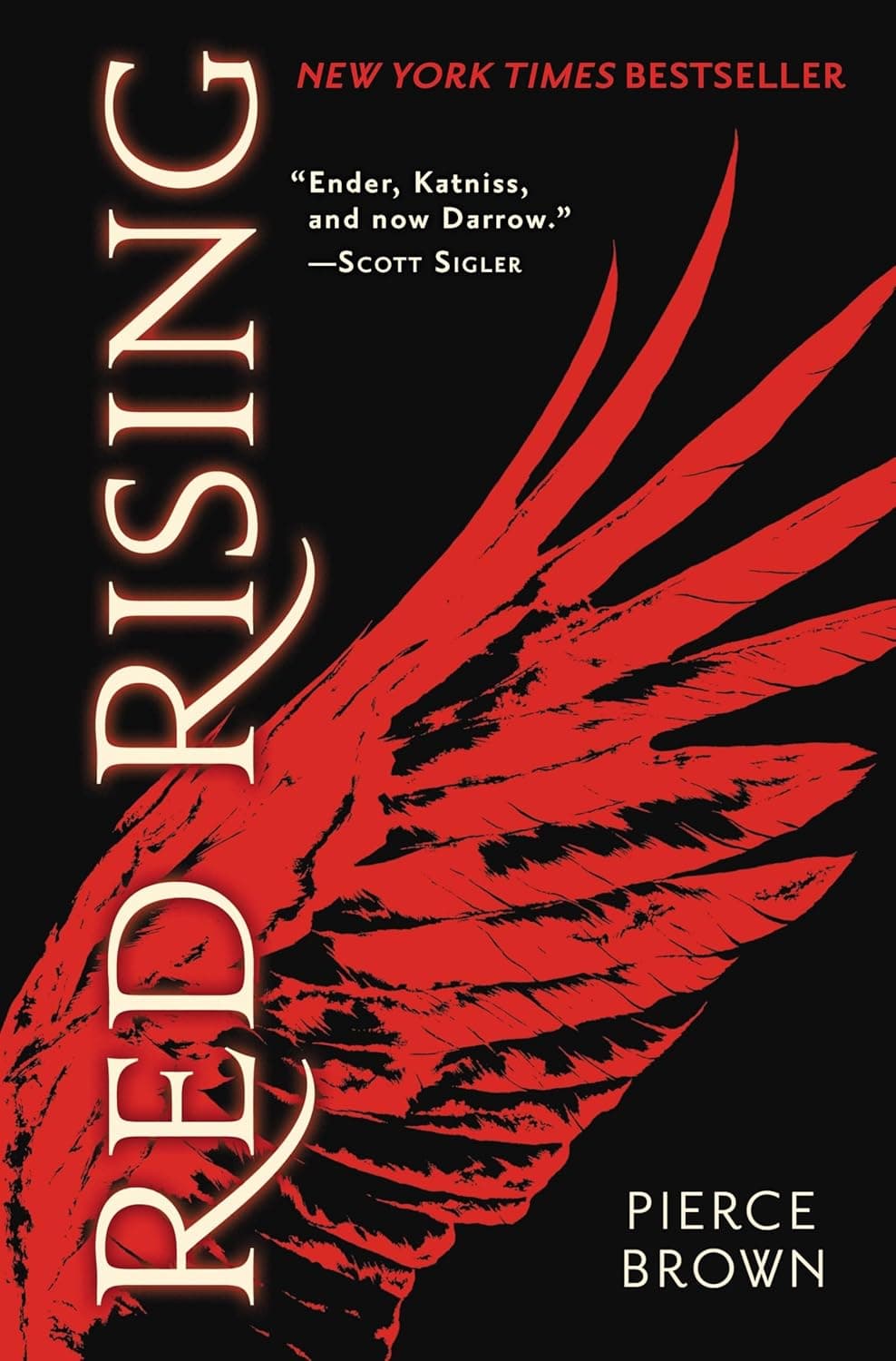
Red Rising
- Similar because
- Darrow, a miner from Mars’s lowest caste, infiltrates the ruling Golds and enters their Institute. Its brutal war games teach the elite how to rule. The spectacle has a purpose, as it does in Carl’s dungeon, and surviving it gives Darrow a chance to challenge the people who built it.
- Different because
- Brown writes dystopian science fiction. There are no RPG levels or game statistics. The contest turns on alliances and what Darrow is willing to do to pass as a Gold, and its stakes grow political as the rebellion reaches beyond the Institute.
Keep exploring
Explore another Books Like guide
Pick another book you know and see what to read next.