
Where to begin
The Elizabeth May book reviewed here
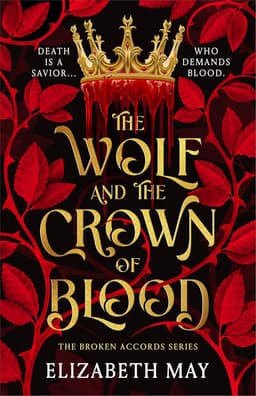
The Wolf and the Crown of Blood
3.9 / 5The Wolf and the Crown of Blood commits to rage, blood, and political hostility, though its romance sometimes turns mortal distrust into desire faster than its own world permits.
Bibliography
Books by Elizabeth May
Reviews and book guides open on Book Review Guide. The full list comes from the linked bibliography source.
Reviewed
The Wolf and the Crown of Blood
Not reviewed yet
Falconer
Not reviewed yet
Obesity Stories
Not reviewed yet
Pug Care Guide : Pugs As Pets. Includes
Not reviewed yet
Losing Confidence
Not reviewed yet
To Cage a God
Not reviewed yet
Pawns of War
Not reviewed yet
Musics of Many Cultures
Not reviewed yet
The Fallen Kingdom
Not reviewed yet
Global Warming for Dummies
Not reviewed yet
WWE Trivia Book
Not reviewed yet
Untitled May 3 Of 3
Not reviewed yet
Nice Kitty
Not reviewed yet
Princess Placidia
Not reviewed yet
Empress Placidia
Not reviewed yet
Advent of the Angles
Not reviewed yet
The Vanishing Throne
Not reviewed yet
Devoted Vampire
Not reviewed yet
Wit of the Staircase
Not reviewed yet
Me and My Mask Go to School
Not reviewed yet
Bell Tower Mystery
Not reviewed yet
Barbados Bound
Not reviewed yet
Roman Twilight
Not reviewed yet
Look I Can't Make Everyone Happy, I Am Not Bacon
Not reviewed yet
I Have a Friend Named Brooke
Not reviewed yet
Olivia + Elliot Weekly Planner
Not reviewed yet
Mulder + Scully Weekly Planner 120 Pages
Not reviewed yet
Just Remember , the True Spirit of Christmas Lies in Your Heart
Not reviewed yet
Mr. Mindbomb
Not reviewed yet
Reach for the Stars
Not reviewed yet
Boss Man Weekly Planner
Not reviewed yet
I Have a Friend Named Brock
Not reviewed yet
I Have a Friend Named Alice
Not reviewed yet
Big Boss Weekly Planner
Not reviewed yet
Santa Is Still Coming to Town
Not reviewed yet
Henry's Adventures in Online Learning
Not reviewed yet
Brandon Walsh, Brenda Walsh and Friends
Not reviewed yet
Garnet Cover Lined Note Book with 120 Pages
Not reviewed yet
Targaryen and Other Houses Weekly Planner
Not reviewed yet
Ariel + Eric Weekly Planner
Not reviewed yet
Spread Love Everywhere You Go. Mother Teresa
Not reviewed yet
Adventures at Mom and Dad's
Not reviewed yet
There They Go!

Not reviewed yet
Avcinin Intikami

Not reviewed yet
The Name is Thompson - A Novel of Old Belfast
Not reviewed yet
Seven Mercies

Not reviewed yet
Sourdough Starter
Not reviewed yet
Fallen Kingdom
Books on this site
Elizabeth May reviews and guides